
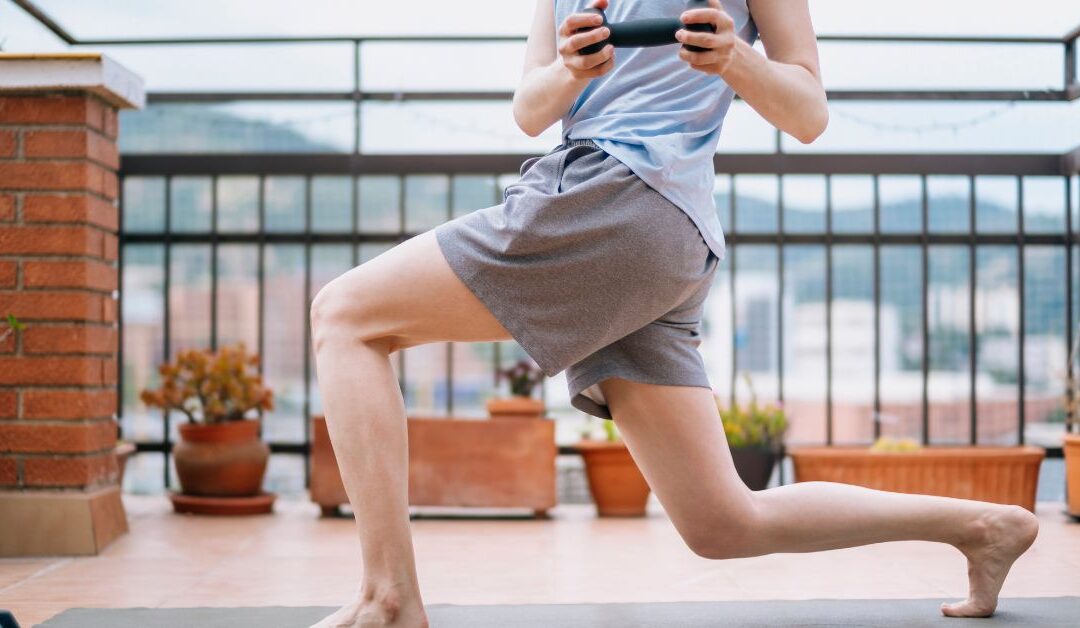
Picture this: you’re stepping off a curb while scrolling on your phone, and suddenly you stumble. If your balance and stability are strong, you recover smoothly and keep walking. If not, you might end up with a sprained ankle or worse. Balance and stability aren’t just for athletes — they’re survival skills for everyday life. In this post, we’ll dive into why balance matters, how stability training prevents injuries, and simple ways you can start improving today.
Why Balance & Stability Are Overlooked
Most people chase visible results: bigger muscles, more endurance, or fat loss. Yet, without solid balance and stability, even the strongest lifter is vulnerable to falls, poor form, and nagging injuries. Think of balance as the foundation under your fitness house — without it, cracks eventually show.
- Functional Fitness Connection: Movements like squats, lunges, and kettlebell carries require balance at their core.
- Sports Performance: From tennis to soccer, agility is built on stability.
- Wellness & Lifestyle: As we age, balance becomes critical for independence.
Practical Ways to Train Balance & Stability
1. Single-Leg Exercises
Start simple with single-leg stands, progressing to single-leg deadlifts or squats. These improve coordination, strengthen stabilizer muscles, and enhance core activation.
2. Use Tools That Challenge Stability
- Balance boards or BOSU balls test coordination.
- Resistance bands and suspension trainers (great home gym essentials) add instability to familiar moves.
3. Core-Focused Training
Pilates and other core training routines directly build the midsection stability needed for balance. Even basic planks pay dividends.
4. Incorporate Yoga & Mindful Movement
Yoga poses like Warrior III or Tree Pose integrate strength, balance, and focus. Plus, they reduce stress while training the body.
5. Outdoor Fitness Challenges
Trail runs, hiking, or even playing a sport outdoors forces the body to adapt to uneven ground — a natural way to sharpen stability.
Recovery & Injury Prevention
Balance and stability training also reduces wear and tear. After workouts, use recovery tools like foam rollers or massage balls to keep muscles loose and joints moving freely. Don’t forget flexibility & mobility sessions — they ensure your joints have the range of motion needed for strong, stable movement.
Actionable Tips
- Add 5 minutes of balance work to your warm-up.
- Try single-leg balance while brushing your teeth — consistency matters more than intensity.
- Rotate in Pilates or yoga once a week for a stability boost.
- Keep experimenting with new arrivals in stability gear — small upgrades keep training fresh.
Balance and stability might not be flashy, but they’re essential. They protect you from injuries, enhance performance, and support overall wellness. Whether you’re an athlete or simply someone who wants to stay active for life, adding balance work to your fitness routine is non-negotiable.
Ready to take the next step? Explore our related posts on Flexibility & Mobility and Functional Fitness to keep building a strong, resilient foundation.